- Schedule. Mon - Sat 9.00 - 18.00

CNC Machining Services
Deliver your CNC Machining parts as design specifications, on time, and at a cost-effective factory price.
On-Demand CNC Production Delivered by Our Skilled Experts
The Best CNC Machining Solution for All Your Plastic & Metal Parts
Streamline Your Journey: From Design & Prototyping to Full Manufacturing
Case Applications of CNC Machined Parts
CNC machining is a highly versatile manufacturing technology with broad application scenarios. Typical OMO CNC machining part examples cover components for aerospace, automotive, medical, robotics and other industries.
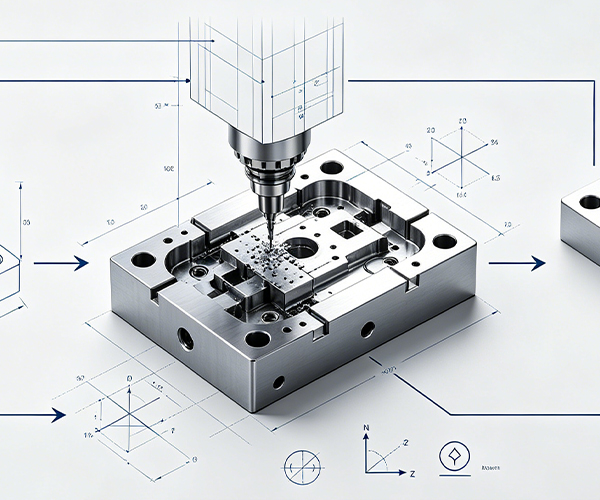
Prototype Design Verification
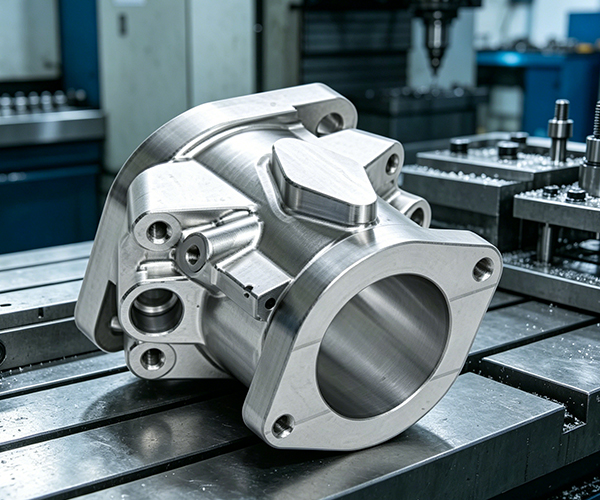
Functional Testing Complex Designs
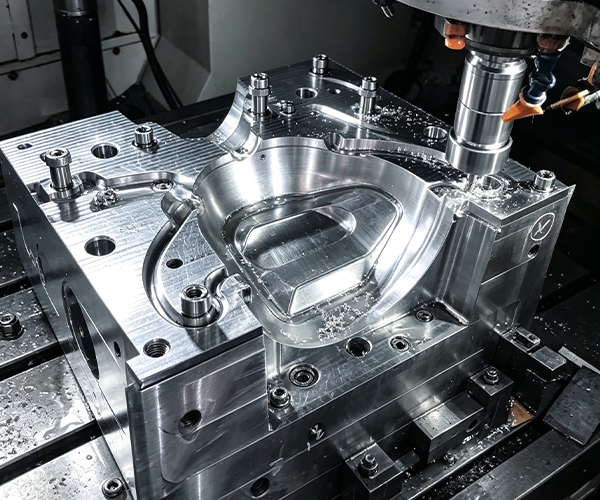
Create Metal Molds and Tooling
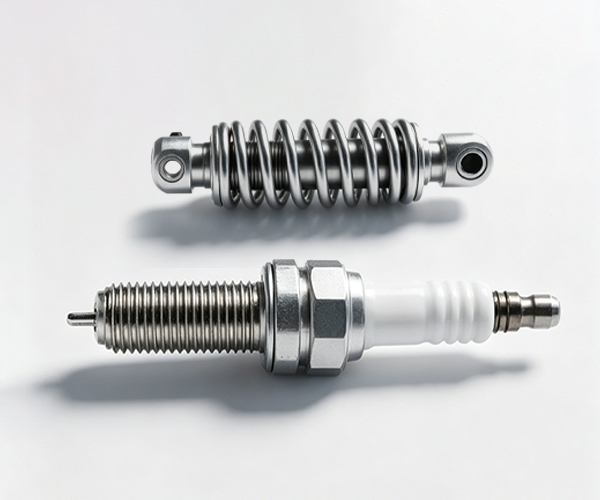
Machinable Custom Automotive Parts
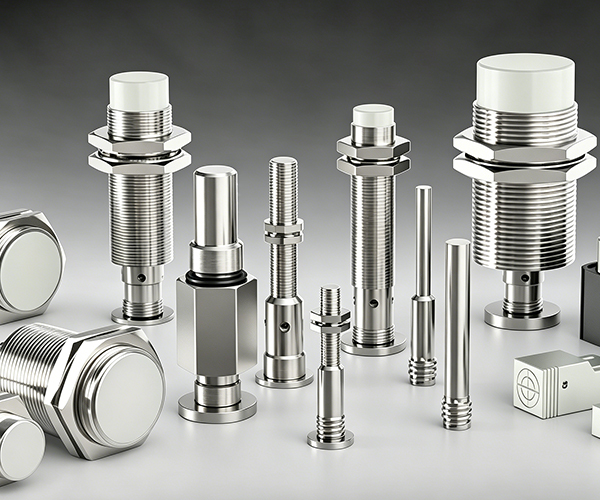
Consumer electronics machining
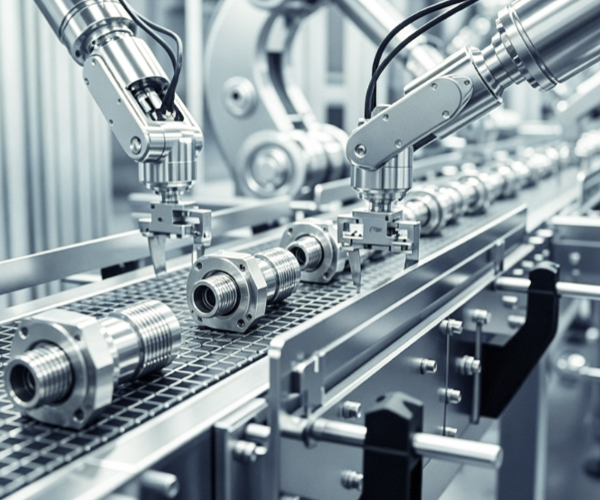
Low-Volume Machined Parts of End-Use
Materials for CNC Machining Parts
Htsin offers a wide variety of materials for custom CNC machining, plastic, and metal, including but not limited to:
Aluminum: Aluminum’s strength-to-weight ratio, affordability, and recyclability have made it widely used across industries worldwide.
Alloys: 6061-T6, 7075-T6, 2024, 5052, 6060, 5083, 2017, 6082
Finishing Options: Alodine, Anodizing Types II, III, III + PTFE, ENP, Media Blasting, Nickel Plating, Powder Coating, Tumble Polishing
Stainless steel: Stainless steel’s corrosion resistance and ductility make it ideal for long-term exposure to elements and easy shaping into different forms
Finishing Options: As machined, Bead Blasted, Polishing, Decorative Chrome Plating, Powder Coat, Nickel Plating, Gold Plating, Silver Plating
Alloys: SS303, Stainless Steel 304/304L, Stainless Steel 316/316L, Stainless Steel 17-4, Stainless Steel 416, etc.
Alloy Steel: Alloy steel is steel mixed with elements like manganese, nickel, and chromium to enhance its strength, hardness, corrosion resistance, and durability, tailored to meet specific application needs.
Alloy: AISI 1215, AISI 4140, AISI 4340, AISI 8620, AISI 4130
Finishing Option: Polishing, Plating, Painting, Powder Coating and etc.
Tool Steel: Tool steel is a type of high-carbon and high-alloy steel that is specifically designed to be used in the manufacture of cutting tools, dies, and molds. It is valued for its high hardness, wear resistance, and toughness, which make it suitable for applications where the tool is subjected to repeated impacts or stresses.
Alloy: A2 Tool Steel, D2 Tool Steel, O1 Tool Steel, S7 Tool Steel, M2 Tool Steel
Finishing Option: Bead/Sand Blast, Polishing, Plating, Painting, Powder Coating, Heat Treatment and etc.
Brass: Brass is an alloy of copper and zinc, especially metal material with more than 20% zinc content, which is the most commonly used metal material in cnc machining
Finishing Options: Nickel Plating, Bead Blasted, Gold Plating, Silver Plating
Alloy: C360, C260
Copper: Copper is a soft, malleable metal with excellent thermal and electrical conductivity, making it an essential material in many industries.
Grade: C10100, C11000, C12200, C14500, C17200
Finishing Option: Plating, Polishing
Titanium:Titanium has a low density and high strength, making it ideal for applications that require a strong yet lightweight material, such as aerospace, automotive, and biomedical industries. It is also highly resistant to corrosion and can withstand exposure to many chemicals and environments
Alloy: Ti-6Al-4V, Ti-6Al-2Sn-4Zr-2Mo, Ti-3Al-2.5V
Finishing Option: Polishing, Anodizing, Sandblasting, Chemical etching, Laser engraving and etc.
Titanium: Magnesium is a versatile and lightweight metal with a silvery-white appearance, known for its exceptional strength-to-weight ratio, excellent thermal and electrical conductivity, and widespread use in industries such as aerospace, automotive, and healthcare.
Alloy: AZ31B, AZ91D, We43, AM60B, ZK60A, QE22
Finishing Option: Blasting, Anodizing, Chromate Conversion Coating, Passivation, Powder Coating, Electroplating etc.
Aluminum: Aluminum’s strength-to-weight ratio, affordability, and recyclability have made it widely used across industries worldwide.
Alloys: 6061-T6, 7075-T6, 2024, 5052, 6060, 5083, 2017, 6082
Finishing Options: Alodine, Anodizing Types II, III, III + PTFE, ENP, Media Blasting, Nickel Plating, Powder Coating, Tumble Polishing
Stainless steel: Stainless steel’s corrosion resistance and ductility make it ideal for long-term exposure to elements and easy shaping into different forms
Finishing Options: As machined, Bead Blasted, Polishing, Decorative Chrome Plating, Powder Coat, Nickel Plating, Gold Plating, Silver Plating
Alloys: SS303, Stainless Steel 304/304L, Stainless Steel 316/316L, Stainless Steel 17-4, Stainless Steel 416, etc.
Alloy Steel: Alloy steel is steel mixed with elements like manganese, nickel, and chromium to enhance its strength, hardness, corrosion resistance, and durability, tailored to meet specific application needs.
Alloy: AISI 1215, AISI 4140, AISI 4340, AISI 8620, AISI 4130
Finishing Option: Polishing, Plating, Painting, Powder Coating and etc.
Tool Steel: Tool steel is a type of high-carbon and high-alloy steel that is specifically designed to be used in the manufacture of cutting tools, dies, and molds. It is valued for its high hardness, wear resistance, and toughness, which make it suitable for applications where the tool is subjected to repeated impacts or stresses.
Alloy: A2 Tool Steel, D2 Tool Steel, O1 Tool Steel, S7 Tool Steel, M2 Tool Steel
Finishing Option: Bead/Sand Blast, Polishing, Plating, Painting, Powder Coating, Heat Treatment and etc.
Brass: Brass is an alloy of copper and zinc, especially metal material with more than 20% zinc content, which is the most commonly used metal material in cnc machining
Finishing Options: Nickel Plating, Bead Blasted, Gold Plating, Silver Plating
Alloy: C360, C260
Copper: Copper is a soft, malleable metal with excellent thermal and electrical conductivity, making it an essential material in many industries.
Grade: C10100, C11000, C12200, C14500, C17200
Finishing Option: Plating, Polishing
Titanium:Titanium has a low density and high strength, making it ideal for applications that require a strong yet lightweight material, such as aerospace, automotive, and biomedical industries. It is also highly resistant to corrosion and can withstand exposure to many chemicals and environments
Alloy: Ti-6Al-4V, Ti-6Al-2Sn-4Zr-2Mo, Ti-3Al-2.5V
Finishing Option: Polishing, Anodizing, Sandblasting, Chemical etching, Laser engraving and etc.
Titanium: Magnesium is a versatile and lightweight metal with a silvery-white appearance, known for its exceptional strength-to-weight ratio, excellent thermal and electrical conductivity, and widespread use in industries such as aerospace, automotive, and healthcare.
Alloy: AZ31B, AZ91D, We43, AM60B, ZK60A, QE22
Finishing Option: Blasting, Anodizing, Chromate Conversion Coating, Passivation, Powder Coating, Electroplating etc.
POM (Delrin/Acetal): High stiffness, good moisture resistance, high wear-resistance, and low friction, easy to machine
Color: White, black, brown
Grade: POM-C, POM-H, UV stabilized POM, Food-Grade POM
PMMA: PMMA is commonly known by the trade name “acrylic” or “plexiglass”. It is a lightweight and shatter-resistant material that is often used as a glass substitute in applications such as skylights, displays, signage, and lenses
Color: Transparency and others
Grade: Extruded PMMA, Cast PMMA, Impact-Modified PMMA, UV-Stabilized PMMA, Heat-Resistant PMMA
PEEK: PEEK is a high-performance engineering thermoplastic with excellent mechanical, chemical, and thermal properties, short for Polyether Ether Ketone
Color: Beige with no transparency and others
Grade: Unfilled PEEK, 30% glass-fiber reinforced PEEK, 30% carbon-fiber-reinforced PEEK, Bearing Grade PEEK
ABS: ABS is tough, rigid, and lightweight, making it an excellent material for use in applications such as automotive parts, toys, electronic housings, and consumer goods. It is also resistant to impact, chemicals, and heat, making it a popular choice for use in harsh environments
Color: ABS is naturally opaque and comes in a range of colors including black, white, and gray
Grade: General purpose ABS, Flame retardant ABS, High impact ABS, Heat-resistant ABS
Nylon: Nylon is a strong, durable, and elastic material that is commonly used in textiles like clothing and ropes. Its resistance to abrasion, chemicals, and moisture makes it popular for industrial applications, such as gears, bearings, and automotive components
Color: Nylon is often used in its natural off-white or slightly yellowish color and others
Grade: Nylon 6, Nylon 6/6, Nylon 11, Nylon 12
PTFE: PTFE(Teflon) is a high-performance plastic material known for its exceptional chemical resistance, low friction coefficient, and high-temperature resistance
Color: The color of PTFE is typically white or off-white and others
PVC: PVC stands for polyvinyl chloride, which is a synthetic thermoplastic polymer that is widely used in various applications. PVC is a versatile material that can be rigid or flexible
Color: clear or opaque
Grade: UPVC, PPVC, CPVC
PEI: PEI has excellent mechanical, thermal, and electrical properties, as well as good chemical resistance
Color: Amber or brownish color
Grade: Unfilled PEI, Glass-Filled PEI, Carbon-Filled PEI, Ultem PEI
PAI: or Torlon Polyamide-imide, is a type of thermoplastic polymer that is known for its excellent mechanical properties that it maintains over a wide range of temperatures.
Color: Yellow
Grade: Torlon4203, Torlon4503, Torlon4301,Torlon4501
POM (Delrin/Acetal): High stiffness, good moisture resistance, high wear-resistance, and low friction, easy to machine
Color: White, black, brown
Grade: POM-C, POM-H, UV stabilized POM, Food-Grade POM
PMMA: PMMA is commonly known by the trade name “acrylic” or “plexiglass”. It is a lightweight and shatter-resistant material that is often used as a glass substitute in applications such as skylights, displays, signage, and lenses
Color: Transparency and others
Grade: Extruded PMMA, Cast PMMA, Impact-Modified PMMA, UV-Stabilized PMMA, Heat-Resistant PMMA
PEEK: PEEK is a high-performance engineering thermoplastic with excellent mechanical, chemical, and thermal properties, short for Polyether Ether Ketone
Color: Beige with no transparency and others
Grade: Unfilled PEEK, 30% glass-fiber reinforced PEEK, 30% carbon-fiber-reinforced PEEK, Bearing Grade PEEK
ABS: ABS is tough, rigid, and lightweight, making it an excellent material for use in applications such as automotive parts, toys, electronic housings, and consumer goods. It is also resistant to impact, chemicals, and heat, making it a popular choice for use in harsh environments
Color: ABS is naturally opaque and comes in a range of colors including black, white, and gray
Grade: General purpose ABS, Flame retardant ABS, High impact ABS, Heat-resistant ABS
Nylon: Nylon is a strong, durable, and elastic material that is commonly used in textiles like clothing and ropes. Its resistance to abrasion, chemicals, and moisture makes it popular for industrial applications, such as gears, bearings, and automotive components
Color: Nylon is often used in its natural off-white or slightly yellowish color and others
Grade: Nylon 6, Nylon 6/6, Nylon 11, Nylon 12
PTFE: PTFE(Teflon) is a high-performance plastic material known for its exceptional chemical resistance, low friction coefficient, and high-temperature resistance
Color: The color of PTFE is typically white or off-white and others
PVC: PVC stands for polyvinyl chloride, which is a synthetic thermoplastic polymer that is widely used in various applications. PVC is a versatile material that can be rigid or flexible
Color: clear or opaque
Grade: UPVC, PPVC, CPVC
PEI: PEI has excellent mechanical, thermal, and electrical properties, as well as good chemical resistance
Color: Amber or brownish color
Grade: Unfilled PEI, Glass-Filled PEI, Carbon-Filled PEI, Ultem PEI
PAI: or Torlon Polyamide-imide, is a type of thermoplastic polymer that is known for its excellent mechanical properties that it maintains over a wide range of temperatures.
Color: Yellow
Grade: Torlon4203, Torlon4503, Torlon4301,Torlon4501
Advantages of CNC Machining
OMO regards CNC machining as core manufacturing infrastructure. By weighing its strengths and limitations, we maximize its precision potential for custom prototypes and mass production, refining workflows to deliver high-accuracy finished parts from your digital designs.
01
Cost Efficiency
Our optimized production workflows and rigorous cost management help clients cut manufacturing costs by 20%–40%, delivering cost-effective solutions with zero compromise on part quality.
02
Quality Assurance
OMO holds ISO 9001:2015 certification. We supply complete quality documentation including material certificates, full inspection reports and RoHS compliance files for every order.
03
Reliable On-Time Delivery
With convenient logistics and streamlined shipping, OMO strictly adheres to agreed delivery schedules. Optimized supply chains cut lead times and keep your project on track.
04
Extensive Material Selection
We offer more than 50 industrial-grade materials, covering common metals (aluminum, stainless steel, titanium) and high-performance plastics (ABS, PEEK, nylon) to satisfy diverse industrial application demands.
05
Flexible Production Scaling
OMO’s CNC machining supports all production volumes, from single prototype pieces to mass batches exceeding 10,000 units. Consistent dimensional and surface quality is guaranteed for both small custom runs and large-volume orders.
06
Precision Engineering
We deliver precise tight tolerances ranging from ±0.001" to ±0.005" customized to your project requirements. Our skilled team manufactures intricate high-precision components to fully match your design specifications.
Precision Automated Subtractive Manufacturing
G-code driven end mill material removal, converting 3D CAD blueprints into custom finished parts with fast turnaround.
OMO CNC Machining
Advantages of CNC Machining
The CNC Subtractive Machining process delivers distinct advantages for prototype and mass production components.
- Precision & consistent repeatability
- Ultra-tight dimensional tolerances
- Full range of production-grade materials
- Cost-effective unit pricing for high-volume orders
- Full post-processing for better material performance
OMO CNC Machining
from start to finish
Used in aerospace, medical and automotive fields, CNC makes precise industrial parts:
- Equipment housings & enclosures
- Mounting brackets
- Custom manufacturing fixtures
- Gears & bearing assemblies
- Internal mechanical assemblies
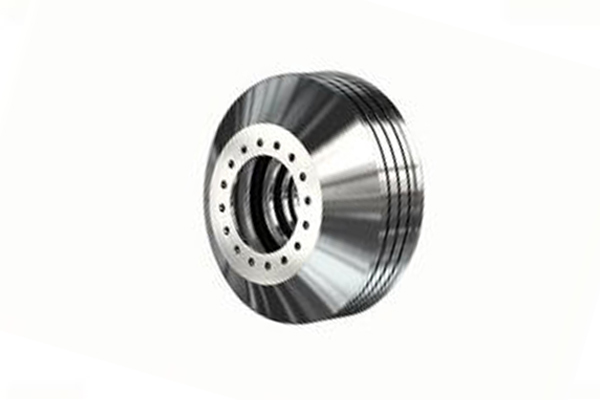
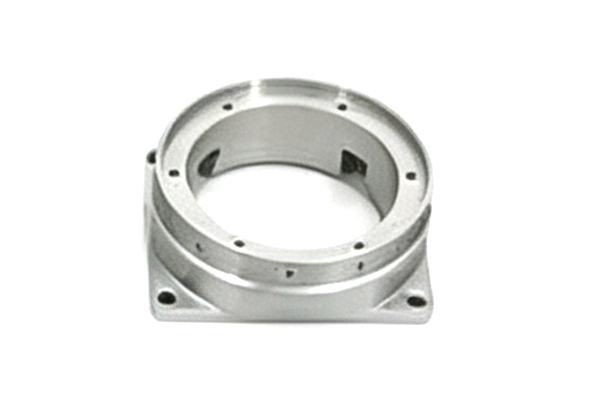
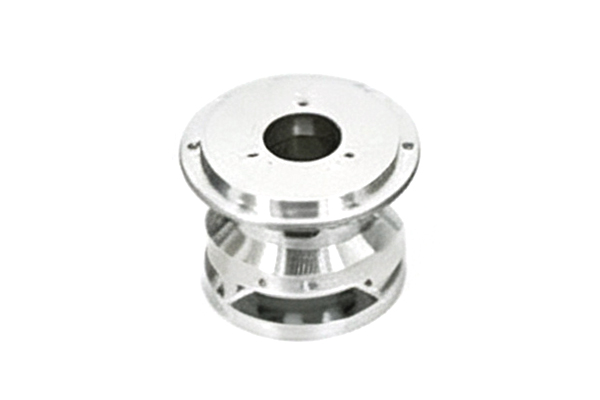
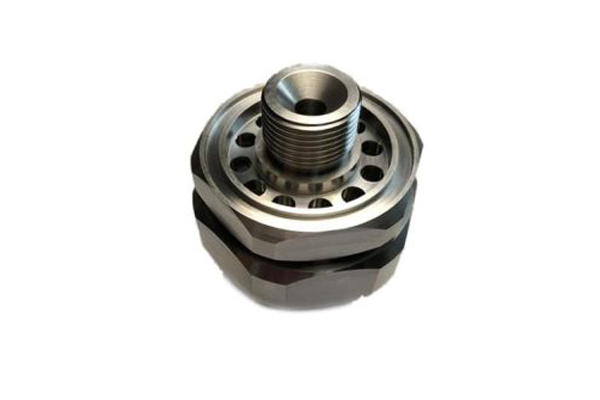
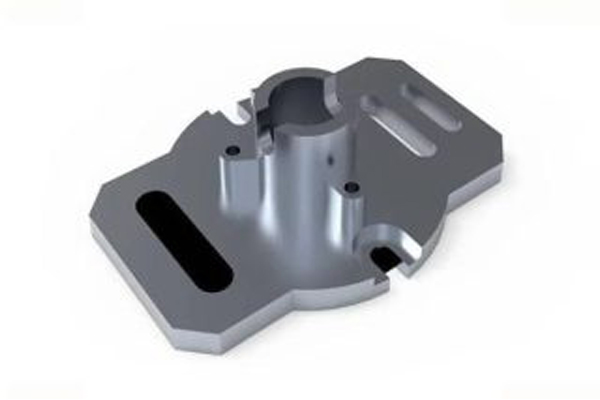
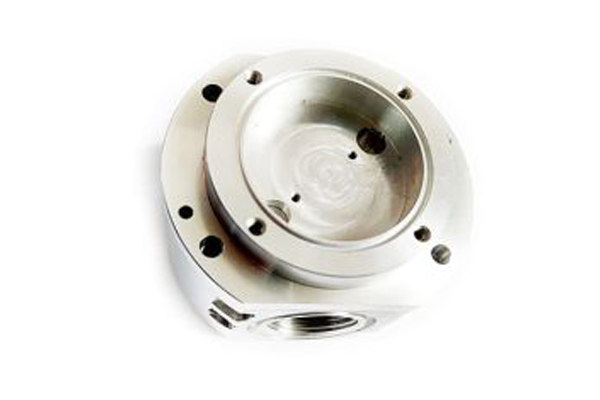
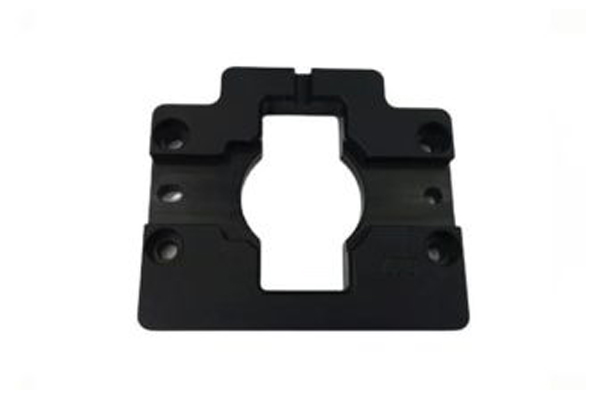
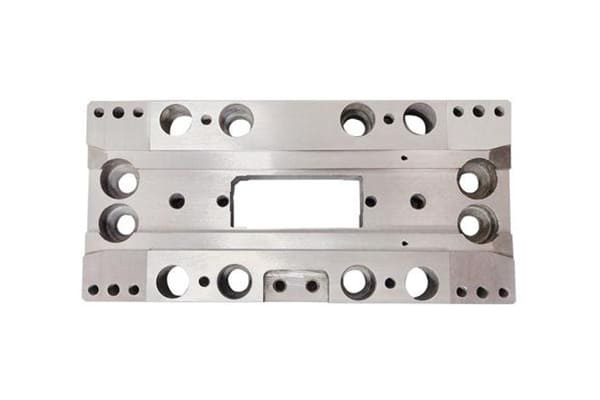
Gallery of Our CNC machining parts
We machine rapid prototypes and low & large volume production orders for customers across diverse industries: medical devices, aerospace, automotive, electronics, hardware startups, industrial automation, machinery, marine, robotics, and many more.
CNC Machining FAQs
Ready to start your next manufacturing project? Our team is here to help with quotes, technical questions, and custom solutions.
NO! – No minimum quantity constraint. OMO provides prototyping and short – to medium – run production machining services, catering to diverse project scales from single – piece customization to batch production.
For metal machining, general tolerances can reach ±0.005″ (±0.127 mm) following ISO 2768 standards (unless specified otherwise). For plastics and composites, the general tolerance is ±0.010″ (±0.254 mm), ensuring consistent quality across different materials.
For 3D drawings, we prefer STEP, IGES and X_T formats. For 2D drawings, PDF is the optimal choice. Please clearly mark all dimensional tolerances on drawings to guarantee machining precision.
OMO provides flexible payment options for smooth transactions:
- Interbank wire transfer
- Popular online payment platforms, including PayPal and Alipay.