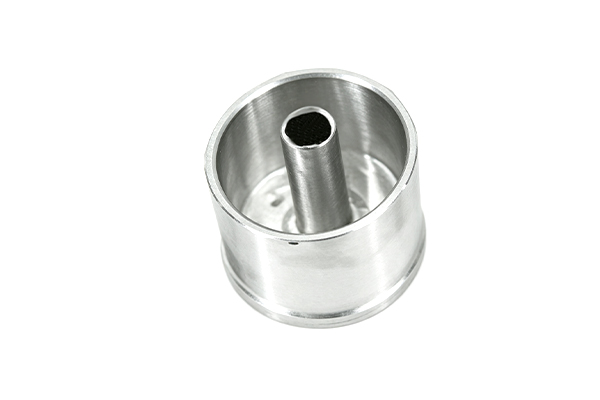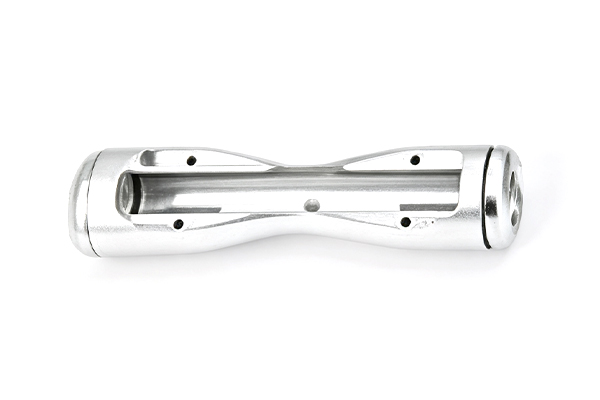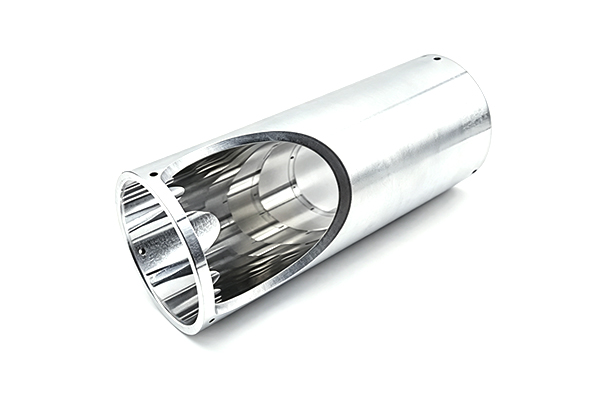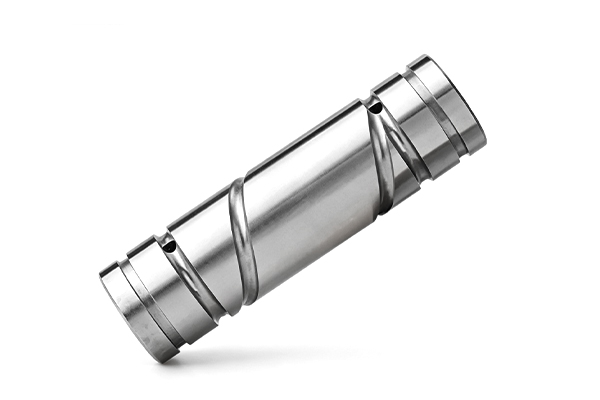
Precision Turning Services

High-Performance Components in Diverse Metals & Plastics | Expert CNC Turning with Tight Tolerances Down to 0.0008 
A variety of surface treatment processes to choose from
As small as 1 mm in diameter, depending on the material and machining setup.
Certifications ISO 9001:2015 | AS9100D | ITAR

Available Materials for CNC Turning

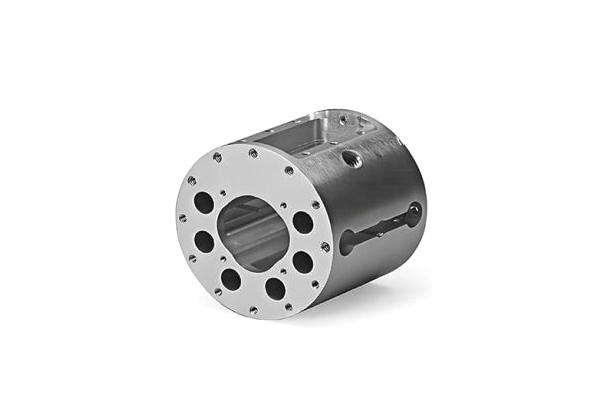
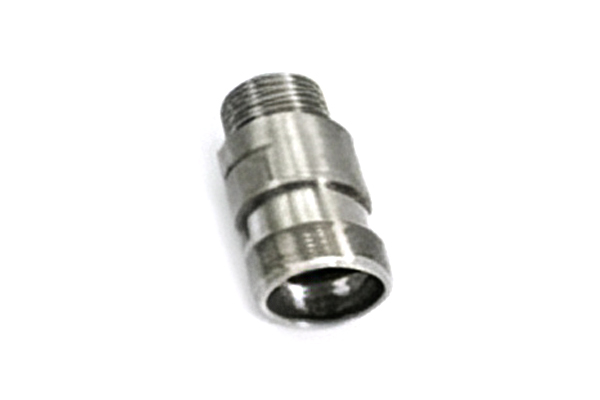
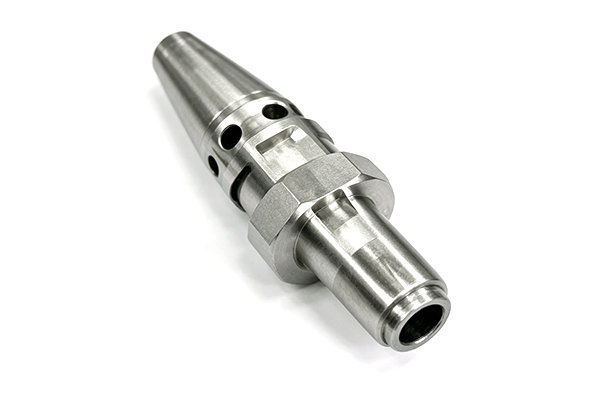
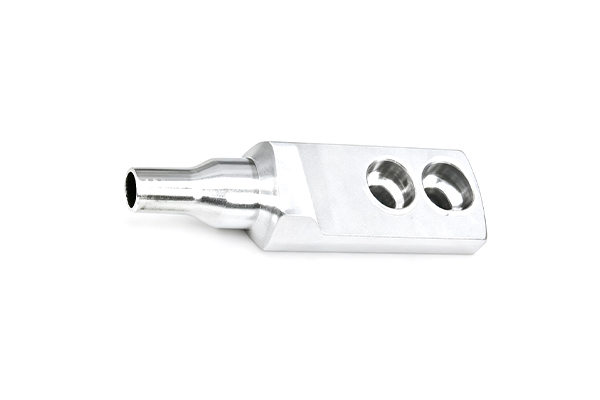
CNC machining is a highly versatile manufacturing technology with broad application scenarios. Typical OMO CNC machining part examples cover components for aerospace, automotive, medical, robotics and other industries.
T-1

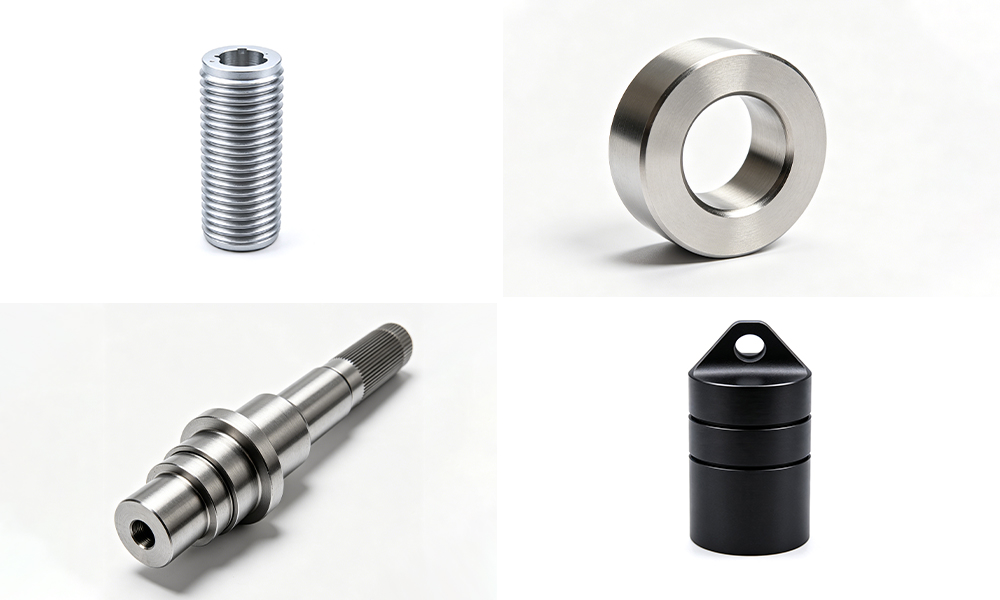
Metals

A comprehensive selection of metal grades for precision CNC turning, engineered to serve aerospace, automotive, medical, robotics and numerous other industrial sectors.

Our machined metal components fit perfectly for single-run prototypes as well as mass-produced end-use functional parts, delivering ultra-tight tolerances down to 0.0008”.

Browse CNC turning metal materials >>

T-2

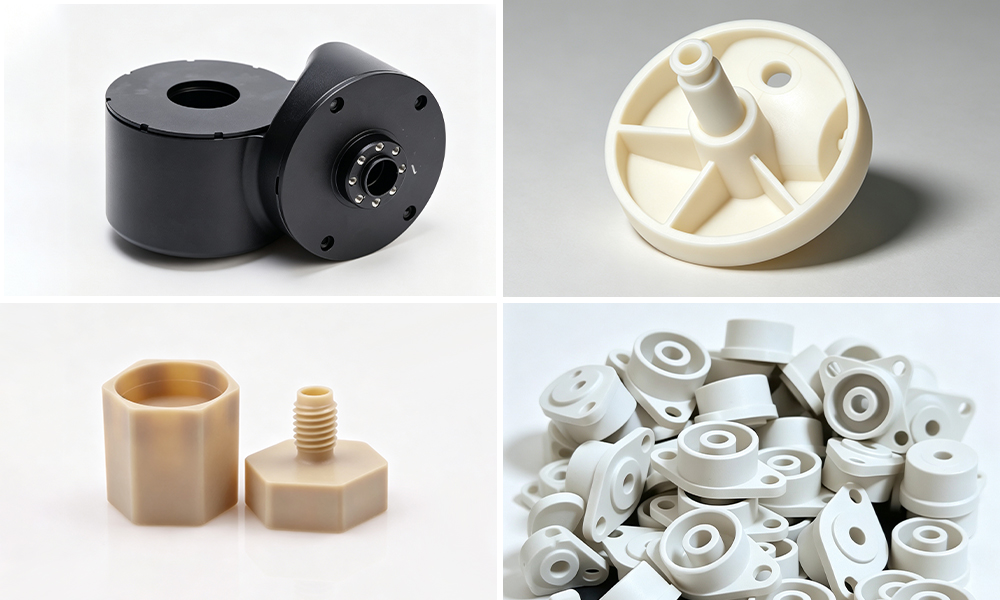
Plastics

Diverse high-performance engineering plastics available for CNC turning, widely deployed across aerospace, automotive, medical equipment, robotics and cross-industry assemblies.

Suitable for custom one-off prototype development and finished production components alike, with precise dimensional control consistent across all machining batches.

Browse CNC turning metal materials >>

Our Maximum Capabilities For CNC Turning

Part size limitations Metric units Imperial units
Maximum part diameter 508 mm 20 inch
Maximum part length 1066.8 mm 42 inch
Maximum swing over the carriage 355.6 mm 14 inch
Maximum spindle through-hole 50.8 mm 2 inch

Maximum speed: 2000RPM

Motor power: 750W

CNC Turning General Tolerances

As an ISO 9001-certified manufacturer, Htsin delivers precision turned parts with exceptional accuracy—ideal for intricate medical and aerospace designs, as well as complex industrial components. Our CNC turning systems consistently maintain tight tolerances down to ±0.005″, while adhering to ISO 2768-f for metal parts and ISO 2768-m for plastics, ensuring compliance with international precision and quality standards.

Type Tolerance
Linear Dimension +/- 0.025 mm
+/- 0.001 inch
Hole Diameters (not reamed) +/- 0.025 mm
+/- 0.001 inch
Shaft Diameters +/- 0.025 mm
+/- 0.001 inch
Part Size Limit 950 * 550 * 480 mm
37.0 * 21.5 * 18.5 inch

Applications of CNC Turning

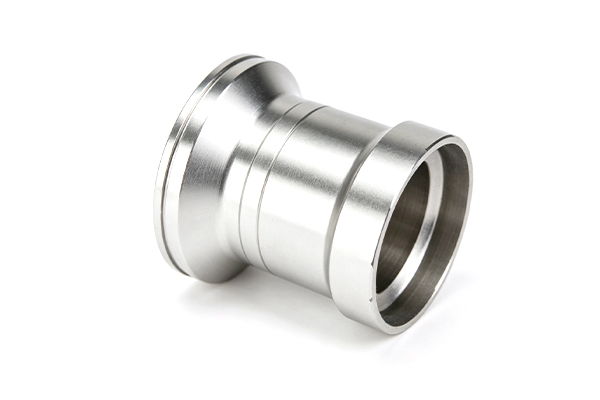
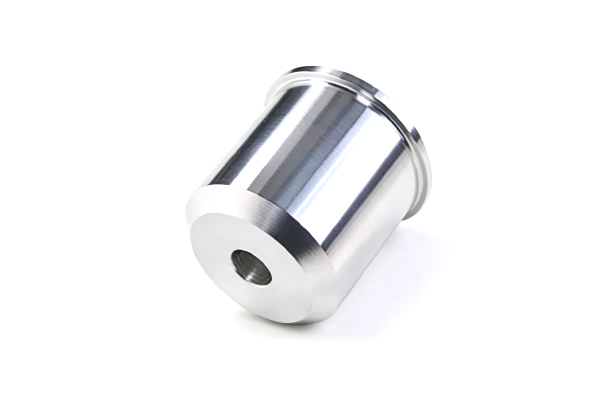
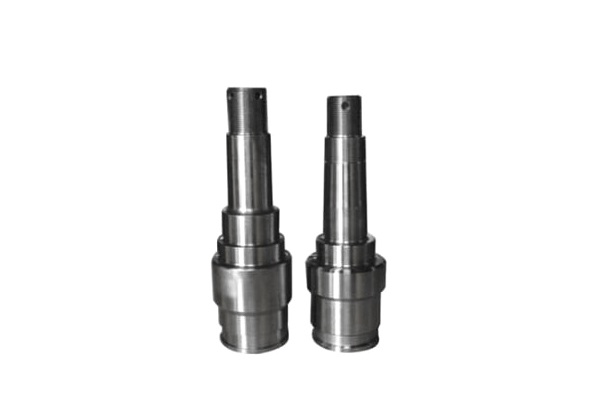
CNC Turning is proficient in rotary parts (shafts, discs, sleeves, threads, valve cores, joints) and is a fundamental and important machining process for precision parts

Drive shaft, optical axis, step shaft, screw, guide shaft, etc
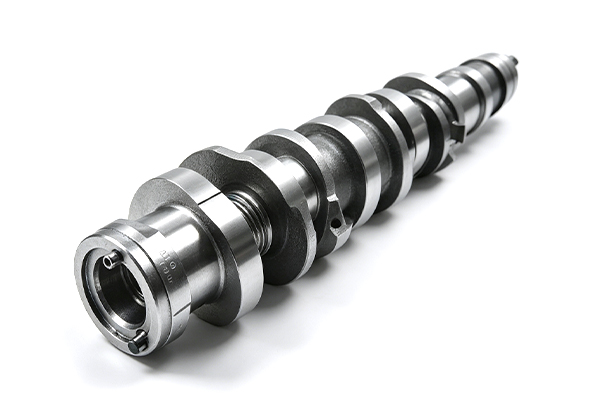
Fuel powered vehicle components include crankshafts, camshafts, etc
Motor spindle, motor end cover liner, battery copper aluminum busbar, etc
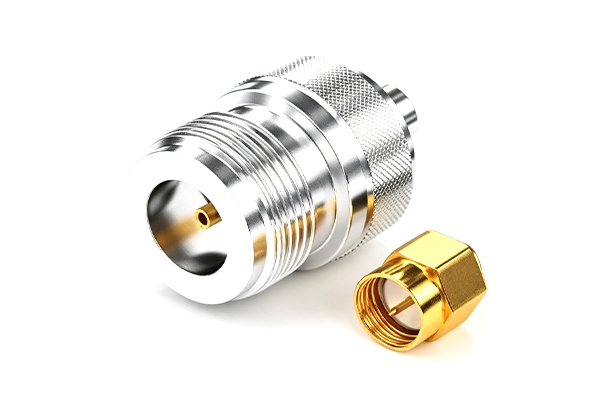
(High precision milling and turning composite) Small shafts, sealing bushings, threaded joints, etc. for aircraft engines
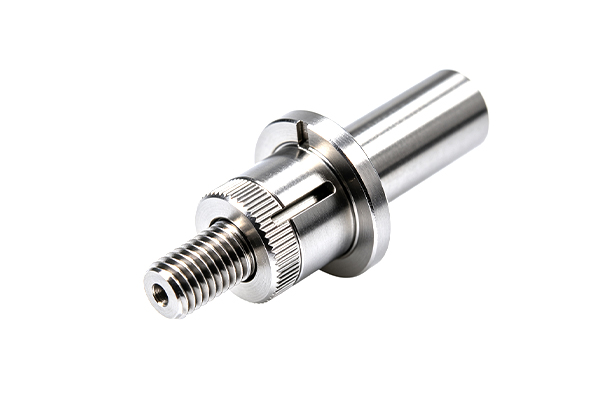
Knife handle, puncture needle base, locking joint, micro shaft core, etc
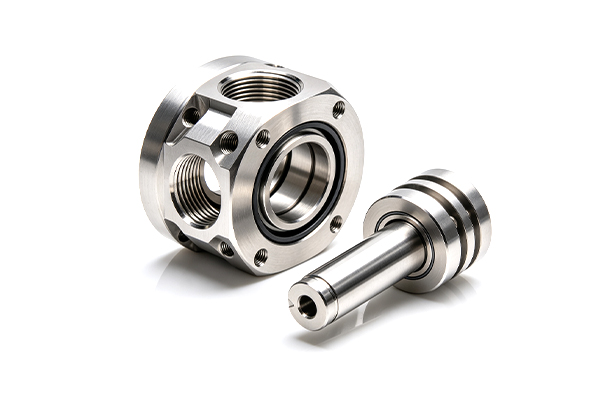
Hydraulic valve core, valve sleeve, piston, oil nozzle, oil pipe quick connector, etc
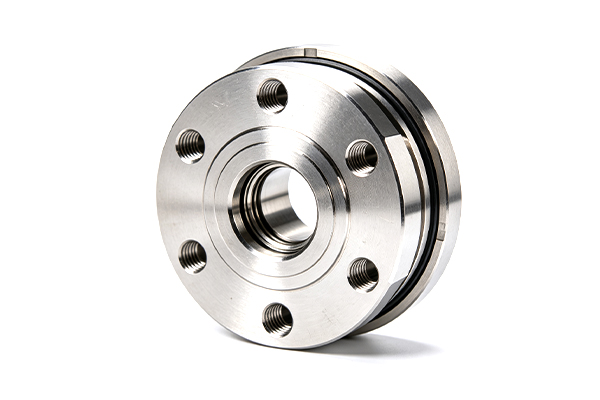
Lens barrel, focusing thread ring, aperture adjustment shaft, fixed flange, etc
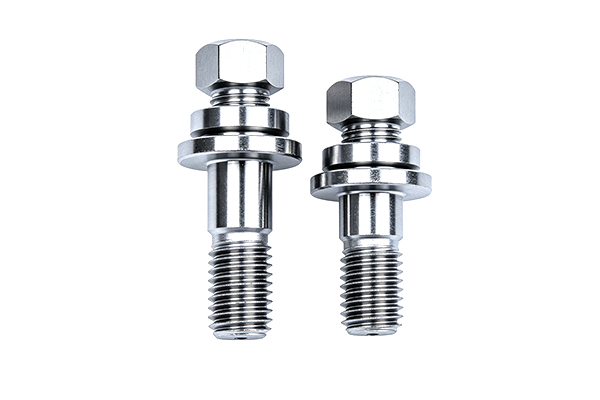
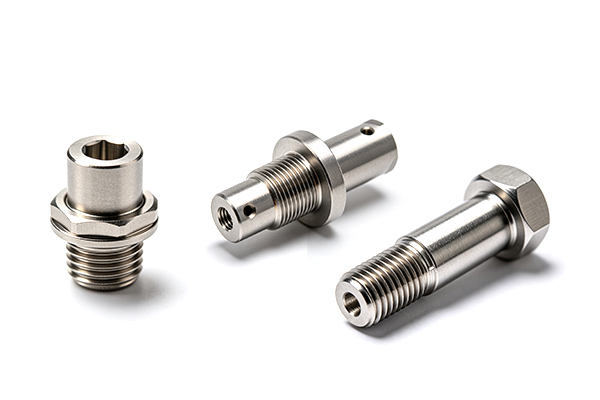
Mold ejector pin, driver, sprue sleeve, non-standard bolts, step screws, thin nuts, etc
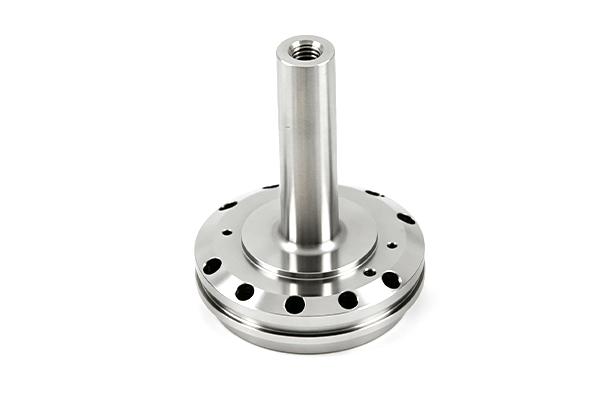
Materials For CNC Machining Parts

Htsin provides an extensive range of materials for custom CNC machining, covering plastics and metals. Our offerings include, but are not limited to:

Turning Finish Selections

OMO provides a diverse array of surface finish options to enhance the surface qualities of CNC – turned parts. The surface finishes applied post – machining can alter the appearance, surface roughness, hardness, and chemical resistance of the manufactured parts.

As machined

As standard, all sharp edges and burrs are removed from machined aluminum parts. Visible tool marks remain unless a specific finishing process is requested.

Bead Blasted

Give the machined parts a smooth and uniform matte surface finish, thereby removing tool marks.

Polishing

Creating a smooth and shiny surface by manually polishing in multiple directions or by applying a chemical polish treatment.

Anodizing

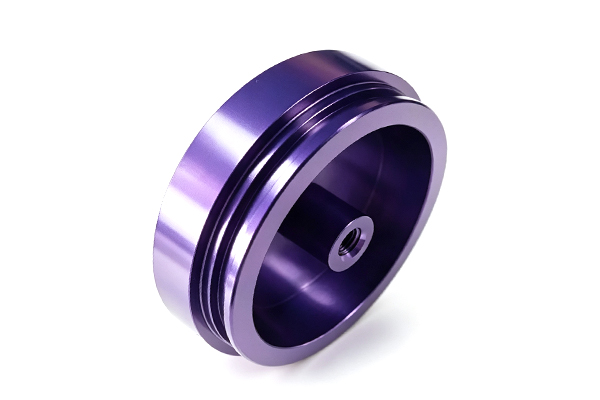
Type II (Anodizing color or clear) or Type III (Anodizing hard coat) Anodizing does not cover tool marks unless bead blasted beforehand.

Decorative Chrome Plating

Enhance aesthetics and durability of the cnc aluminum components.

Powder Coat

Applying powdered paint to the components and then baking it in an oven, which results in a stronger, more wear- and corrosion-resistant layer that is more durable than traditional painting methods.

Gallery Of CNC Turning And Lathe Parts

We machine rapid prototypes and low & large – volume production orders for customers across diverse industries: medical devices, aerospace, automotive, electronics, hardware startups, industrial automation, machinery, marine, robotics, and many more.
A Holistic Approach to Precision & Reliability

Our Quality Assurance

Quality Assurance
01

Strict Quality Control System

We've established a rigorous quality control system. It acts as a safeguard to make sure every product aligns with customer requirements, laying a solid foundation for consistent quality. 2. Comprehensive Pre - Delivery Testing
02

Pre - Delivery Testing

Before products are delivered, we conduct thorough testing. This includes checking dimensional accuracy, surface finish, hardness, and precision. Every aspect is scrutinized to ensure compliance with specifications.
03

Advanced Measuring Equipment

We use computerized measuring equipment. It enables us to accurately verify critical dimensions, ensuring that each product we manufacture reaches the highest quality standard.
04

Commitment to Quality Delivery

Our dedication to quality means customers get their products on time. We ensure the highest accuracy and that all products meet their specific requirements, building trust through reliable service.

Let’s Craft Precision Together

Got questions about CNC turning, material specs, or project feasibility? We’re here to turn ideas into reality.

    ⬆️

    Click on the button area to upload*


    CNC Turning FAQs

    1. CNC milling and CNC turning are two distinct machining processes that differ in how they operate, the types of machines used, and the parts they can produce.
    2. CNC milling uses a rotating cutting tool that moves across a stationary workpiece to remove material from its surface. The milling process can produce a wide range of geometries, including flat and inclined surfaces, slots, and grooves.
    3. CNC turning, on the other hand, rotates the workpiece while the cutting tool remains stationary, shaping the material into the desired shape. It is typically used to produce cylindrical parts and is ideal for creating symmetrical components like shafts, pins, and bushings.
    4. In summary, CNC milling is ideal for producing parts with complex shapes and geometries, while CNC turning is perfect for creating cylindrical parts. Both processes provide high levels of precision, consistency, and efficiency while reducing the need for manual labor.
    1. CNC lathes and turning centers are not just two names for the same machine – they actually perform different tasks! Lathes generally rotate a part to create circular shapes, but with more advanced features like facing, threading, knurling drilling and reaming as well as taper turning capabilities; Turning Centers can help you produce even more intricate pieces.
    1. Only Rotatable Components Are Permitted
    2. Parts May Need Many Procedures and Machines
    3. Severe tool wear
    4. The processing produces a lot of Scrap
    1. Rough turning and finish turning are the two stages of the turning process used to make machined parts. Here are the primary differences between them:
    2. Cutting Depths: Rough turning removes large amounts of material quickly to achieve a particular shape with a relatively heavy cut depth. Finish turning uses smaller cutting depths to provide an improved surface finish and highly accurate dimensions.
    3. Speed: Rough turning is commonly done at higher speeds to remove material quickly, while finish turning is performed at lower speeds to provide a smoother surface finish and more precise cuts.
    4. Tool Selection: Because rough turning demands a heavier cut, it frequently employs larger and more robust tool inserts. Finish turning, on the other hand, generally utilizes smaller and lighter inserts for improved surface finishes.
    5. Cutting Path: Rough turning typically employs a straight cutting path, while finish turning may use a technique known as “light cuts,” which involves the tool following a slightly curved path.
    6. Both stages are essential in the turning process, with rough turning used to remove bulk material and produce the desired shape, and finish turning used to refine the size and surface finish of the machined part.
    1. Through the power of CNC turning, a multitude of parts necessary for production in a variety of industries can be crafted – from automotive components and aeronautical components to medical equipment pieces and toy parts. From hubs to flywheels, this technology is an invaluable tool that continues — day after day — powering countless essential items we use daily.
    1. Higher Precision: CNC turning offers significantly higher precision than manual turning, allowing for extremely accurate machine parts.

    2. Greater Efficiency: CNC lathes can complete multiple operations in a single setup, reducing the time and cost involved in producing machined parts.

    3. Versatile Applications: CNC turning can be applied to an extensive range of materials, from metals to plastics, allowing for a diverse range of applications.

    4. Consistent Quality: CNC turning ensures that every machined part is identical in design and output, guaranteeing consistent quality throughout production.

    5. Lower Costs: With its high efficiency, automated operation, and consistent quality, CNC turning offers lower manufacturing costs in the long run, as compared to traditional methods.